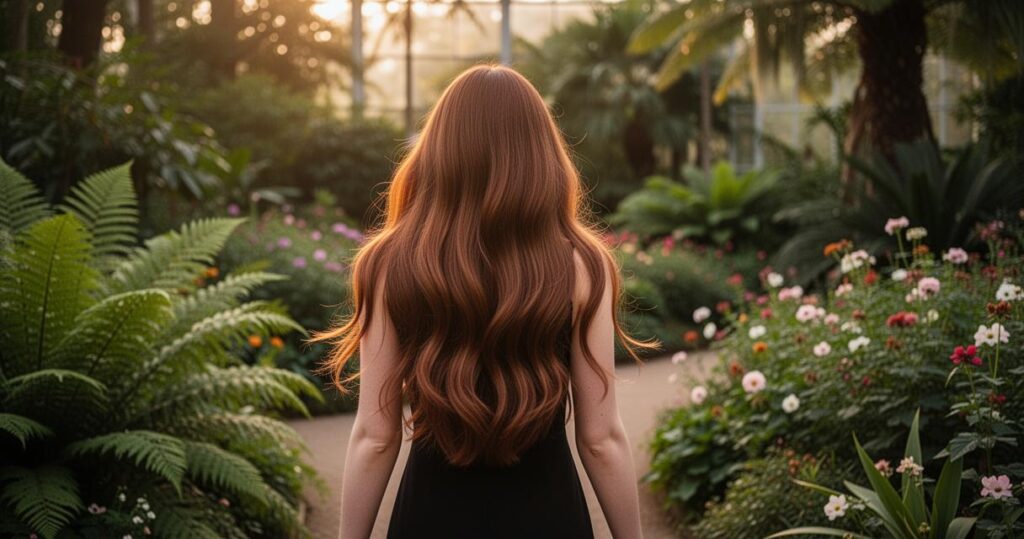
Chestnut hair occupies a wonderfully versatile space in the world of colour — warm enough to feel rich and inviting, yet cool enough to carry sophisticated, modern tones. Whether you are drawn to the sun-kissed warmth of golden highlights, the fiery energy of copper, or the understated elegance of ash, chestnut offers a canvas that flatters a remarkably wide range of complexions and eye colours. Understanding how to navigate these shades, and which techniques best suit your hair and lifestyle, can transform a simple colour appointment into something truly tailored to you.
Key takeaways
- Chestnut hair is a versatile color that can be customized with golden, copper, or ash tones to flatter various skin undertones.
- Choosing the right chestnut shade depends on skin undertones, with warm complexions favoring copper or caramel and cool complexions benefiting from ash-based tones.
- Hair color selection is significantly influenced by eye color, where golden and copper hues enhance green or hazel eyes, while cool ash tones complement blue and grey eyes.
- Techniques like balayage and highlights create essential movement and dimension, preventing brunette hair from appearing flat or uniform.
- Low-commitment options such as plant-based colorings and gloss treatments offer a gentle way to refresh chestnut shades, improve shine, and address unwanted brassiness.
- Styling choices like loose waves, textured curls, and face-framing layers help maximize the visual impact of multi-tonal chestnut hair.
- Maintaining the integrity of chestnut color requires managing brassiness through professional toning and protective care to ensure long-lasting results.
How do you find the right chestnut shade for your complexion and eye colour?
Choosing between the many expressions of chestnut brown is less daunting once you understand the relationship between your skin’s undertone and the warmth or coolness of a given shade. Skin undertones broadly fall into warm, cool, and neutral categories, and the most flattering chestnut shades tend to mirror or complement these qualities rather than clash with them.
Matching dark brown and light brown tones to warm and cool skin undertones
For those with warm undertones — golden, peachy or olive complexions — dark brown shades enriched with copper or amber work beautifully, adding a luminous quality to the skin. A deep, toffee-inflected chestnut sits particularly well against bronzed or golden skin, making the complexion appear glowing rather than washed out. Light brown tones touched with honey or caramel can work equally well for warmer skin, especially when applied as highlights that frame the face and catch the light naturally. Those with cool undertones — pink, blue or rosy hints in the skin — tend to find that ash and cool chestnut shades are far more flattering, as they avoid introducing any unwanted brassiness. A medium chestnut with ash inflections softens the contrast between the hair and a pale or rosé complexion, giving the overall look a polished, cohesive feel. Neutral undertones have the luxury of being able to move freely between warm and cool chestnut families, making them ideal candidates for multi-tonal colour techniques that blend both registers at once.
Why ash, golden and copper hues enhance different eye colours
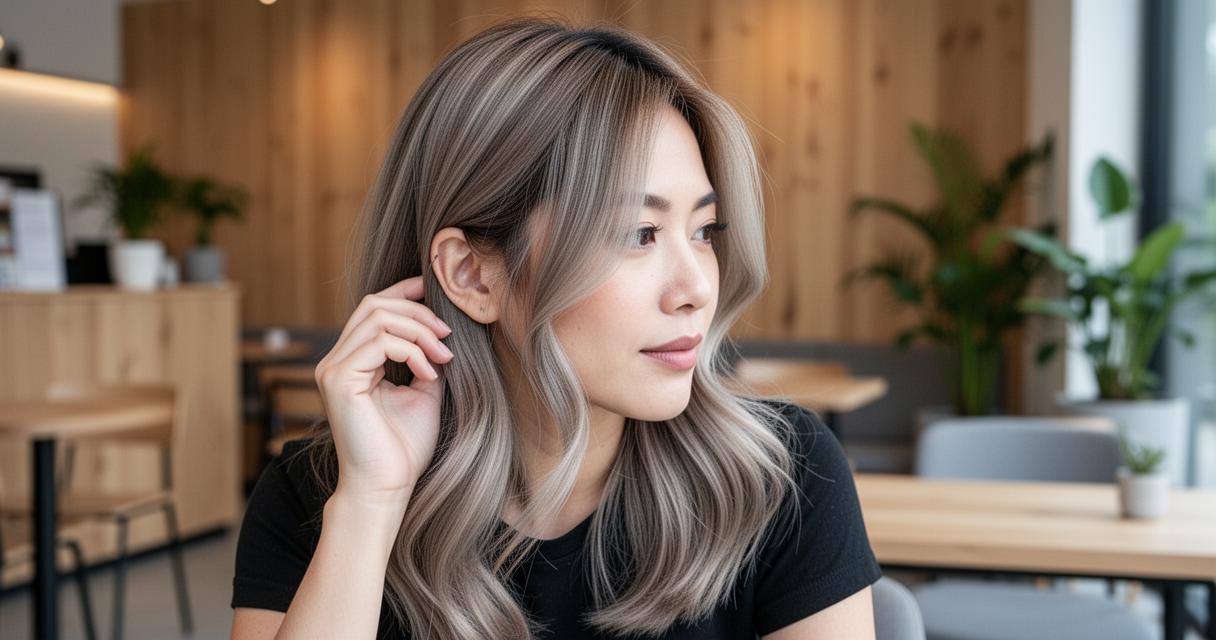
Eye colour plays a surprisingly significant role in how a chestnut shade reads on a person. Warm golden and copper tones in chestnut hair tend to intensify green and hazel eyes, creating a contrast that makes the irises appear more vivid and complex. Brown-eyed individuals often find that golden or caramel chestnut brings out amber flecks in the eye, lending the overall look a depth that a flat, single-process colour rarely achieves. Blue and grey eyes, meanwhile, tend to sing against cooler chestnut tones — ash brown and cool mid-brown shades create a striking, almost artistic contrast that highlights the cool clarity of the iris without competing with it. Understanding this interplay between hair colour, skin and eyes means that choosing a chestnut shade becomes less of a guessing game and far more of a considered, personalised decision.
Which colouring techniques bring dimension to brunette hair without commitment?
Even the most perfectly chosen chestnut shade can fall flat if it is applied as a single, uniform colour from root to tip. Dimension — the interplay of lighter and deeper tones throughout the hair — is what gives brunette colour its movement, its sense of life and its visual interest. Fortunately, several techniques achieve this beautifully, and many of them carry less maintenance commitment than a traditional full colour.
Balayage and highlights: adding natural-looking depth to chestnut strands
Among the most popular approaches to adding dimension, balayage has become something of a modern classic for good reason. The technique involves hand-painting colour directly onto selected strands, creating a gradient that mimics the way the sun naturally lightens hair — concentrated around the face and at the ends, with a softer, more natural root. For chestnut hair, balayage can be used to introduce copper, golden blonde, or even warm caramel tones without the hard demarcation line that can come with foil highlights. Traditional highlights, applied through foiling, offer a slightly more structured result and are particularly effective for those wishing to incorporate blonde or ash tones in a more deliberate, placed fashion. Both techniques are well suited to the brunette base precisely because the dark backdrop makes lighter, painted sections stand out with a richness that lighter base colours simply cannot replicate. The result, when done well, is a chestnut head of hair that appears multidimensional, healthy and entirely natural.
Plant-based colorings and glosses for subtle, conditioning colour shifts
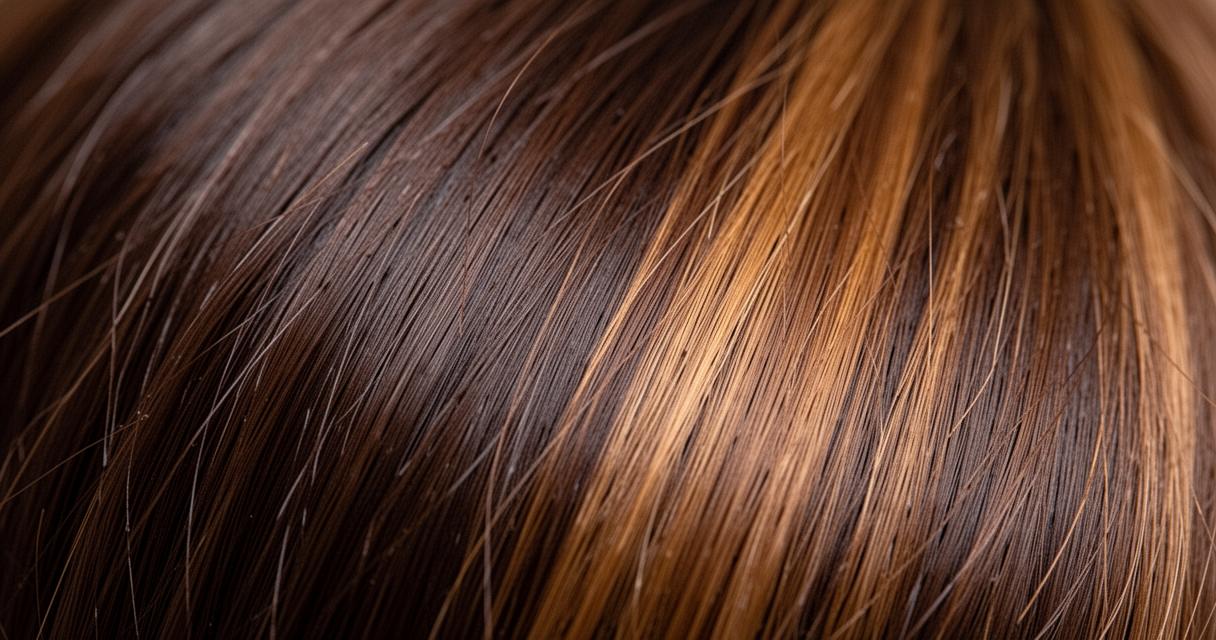
Not every chestnut transformation needs to involve bleach or strong developers. For those seeking a more gentle approach, plant-based colorings offer a genuinely interesting alternative. These formulas, often derived from botanicals and natural pigments, deposit colour onto the hair rather than stripping it, meaning the condition of the hair is preserved — and in many cases actively improved. A plant-based coloring in a warm chestnut or rich brunette tone can refresh and deepen the existing colour without the commitment of a permanent result. Gloss treatments occupy a similarly low-commitment space, working as a semi-permanent finish that enhances shine and deposits a wash of tonal colour. A chestnut gloss over existing brown hair, for instance, can eliminate unwanted brassiness and unify the overall color, leaving the hair looking freshly polished rather than coloured. A casting or cream colour formula falls somewhere between these gentle options and a full permanent colour, offering more coverage than a gloss but less intensity than a permanent dye — making it a practical choice for those covering the first hints of grey or simply wanting to adjust their shade seasonally.
What styling considerations help chestnut shades remain fresh and flattering?
Achieving the perfect chestnut colour is only part of the story. How you style and maintain your hair determines how long that colour continues to look its best — and how effectively it flatters you day to day.
Choosing hairstyles that showcase multi-tonal brown colour
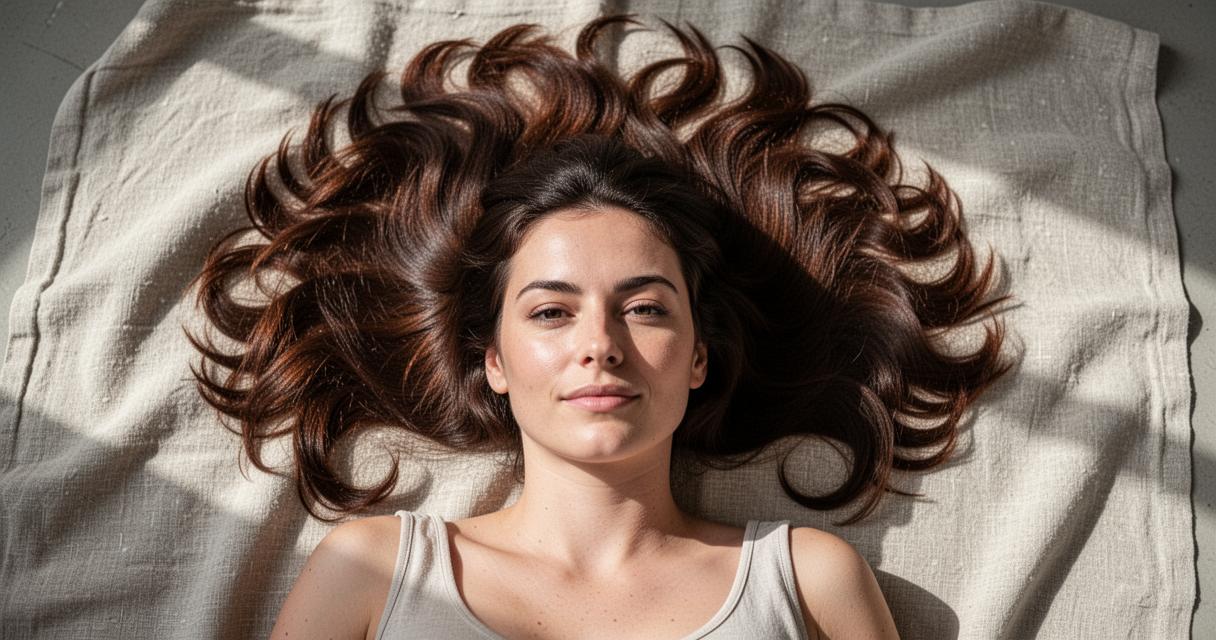
Multi-tonal chestnut colour, particularly when achieved through balayage or layered highlights, is best shown off through hairstyles that create movement. Loose waves and textured curls, for example, allow the interplay between lighter and darker sections to become visible as the hair moves, giving the impression of natural luminosity. A sleek blowout on a brunette with well-placed highlights can look incredibly polished, but it tends to flatten the visual effect of dimension — occasionally catching the light beautifully, but less dynamic in its overall appearance. Face-framing layers are a particularly effective styling tool for those with chestnut coloring, as they draw the lightest, most luminous sections of balayage or highlights directly around the features, amplifying the brightening effect that a skilled colour application has already started.
How to prevent grey coverage and brassiness in coloured chestnut hair
Two of the most common concerns for anyone maintaining colored chestnut hair are the reappearance of grey and the development of brassiness — both of which can undermine even the most carefully chosen color. Grey coverage is best addressed by choosing a shade of chestnut that blends naturally with the emerging grey rather than creating a stark contrast, allowing for a softer, more graceful grow-out. Brassiness, the unwanted warm or orange cast that can develop in brunette hair over time, is most effectively managed through toning treatments and the use of purple or blue-pigmented hair care products, which neutralise the warm pigments without requiring a return to the salon. Protecting the hair from excessive heat and UV exposure also helps preserve the integrity of the colour, keeping the ash or golden tones truer for longer and ensuring the overall chestnut shade retains its intended light and depth well between appointments.